Property Renovation Hull: Best Upgrades for Increasing Market Value
Hull has its own property logic. What adds value in a leafy village outside York does not always translate on a terraced street off Holderness Road, and what wins viewings in a city-centre flat may do very little for a family house in Kingswood or Anlaby Road. Buyers here are practical. They look at energy bills, damp risk, kitchen quality, parking, layout, and the general sense that a place has been properly looked after. They also notice when a renovation has been done for photographs rather than for living.
That is why the best value-adding work in Hull tends to be the kind that improves both presentation and performance. Cosmetic upgrades matter, certainly, but only after the fundamentals are handled. I have seen homes lose buyer confidence over a cracked rainwater downpipe, tired pointing, or a cold back bedroom, even when the estate agent’s photos made the new flooring and feature wall look excellent. Market value rises when buyers feel they can move in without inheriting a list of expensive surprises.
If you are planning a Property Renovation Hull project with resale in mind, the smartest route is usually to start below the surface and work outward. Sort the building fabric, improve the layout where it is genuinely awkward, modernise the kitchen and bathrooms sensibly, and make the home cheaper to run. That combination tends to protect value in slower markets and lift it faster when demand improves.
What Hull buyers tend to pay for
The local market rewards usefulness. A renovation that creates a warmer house, a cleaner finish, and a better flow between rooms usually performs better than one built around fashion. Buyers in Hull often compare properties closely on monthly running costs and immediate repair needs. A freshly tiled bathroom is attractive, but if the windows are blown, the boiler is ancient, and there is evidence of condensation around the reveals, the bathroom alone will not carry the sale.
Older stock across Hull often brings predictable challenges. Solid wall construction, ageing roofs, patchy historic repairs, suspended timber floors, and signs of damp are common enough that experienced buyers keep an eye out for them. Even first-time buyers, often coached by parents or mortgage brokers, are more alert now than they were a decade ago. They ask about EPC ratings, insulation, electrics, and who carried out the work. If a General Contractor managed the job well and the finish feels coherent, that reassurance helps.
The homes that stand out are not necessarily the most expensive to renovate. They are the ones where the owner made disciplined choices. Good lighting. Neutral but not lifeless decoration. Flooring that suits the house. A kitchen with enough storage. A bathroom with proper extraction. Doors that shut cleanly. Guttering that works. Those details sound ordinary, but ordinary done well is exactly what lifts confidence and, with it, market value.
Start with the work buyers cannot ignore
Before thinking about quartz worktops or bifold doors, look hard at the basics. Survey-level issues can depress offers far more than owners expect. If the roof covering is failing, if there is active damp, if the fuse board is outdated, or if the heating system is unreliable, buyers either walk away or discount heavily.
In Hull’s climate, moisture management matters. Coastal air, wind-driven rain, and older masonry can combine to make small maintenance problems turn into visible defects. A slipped tile, porous pointing on an exposed wall, or blocked gutters can create staining and damp patches that undermine the whole viewing experience. This is where regular Property Maintenance HUll homeowners sometimes postpone for a year too long can make a real financial difference. Maintenance is rarely glamorous, but deferred maintenance is expensive because it damages trust.
Rewiring and plumbing upgrades rarely photograph well, yet they can be central to value. A consumer unit replacement, tested electrics, modern pipework where needed, and a boiler with service history are all the kinds of things surveyors note and buyers appreciate. The return is not always a pound-for-pound premium above the spend, but these works protect the property from down-valuations and price chips. In practice, that protection can be more valuable than a cosmetic upgrade.
If the house has obvious damp symptoms, be careful about quick fixes. Painting over discolouration and fitting a more powerful dehumidifier does not solve the cause. Sometimes it is failed external pointing, high ground levels, poor ventilation, or leaking gutters rather than true rising damp. Diagnosis matters. Buyers are rightly suspicious of fresh paint in the exact area where moisture usually shows up.
Kitchens still sell houses, but only when the design is sensible
There is a reason kitchens remain near the top of the list for value-adding renovations. They carry a lot of emotional weight. Buyers picture daily life there, not just cooking, but homework, coffee, hosting, storage, and family traffic. In Hull, where many homes were built with smaller or more enclosed kitchen arrangements, a better kitchen can materially change how the whole house feels.
That does not mean every property needs a rear extension or a designer fit-out. On many mid-range homes, value comes from improving usability rather than spending lavishly. Better cabinet layout, integrated appliances where appropriate, durable worktops, good task lighting, and enough plug sockets often matter more than premium brand names. A crisp, well-planned kitchen at a sensible price point will usually outperform an over-specified one that pushes the property above its local ceiling.
Where layout allows, opening a kitchen into a dining space can help, but this needs judgment. Removing walls blindly can damage a house’s character or leave you with one large room and nowhere to retreat from noise. In some period terraces, keeping a degree of separation works better for family life and for resale. Buyers like openness, but they also value function. A peninsula that blocks circulation or a dining area that steals useful storage can backfire.
I remember a modest renovation on a three-bed terrace where the owner had planned to spend heavily on stone worktops and top-end appliances. Instead, the budget went into reworking the room: moving a doorway, adding full-height pantry storage, replacing poor lighting, and fitting a quieter extractor with proper ducting. The total spend stayed controlled, and the kitchen felt twice the size in use. At sale, viewers commented on practicality again and again. That is the distinction that matters.
Bathrooms add value when they solve common frustrations
Bathrooms are similar. A tired bathroom drags down perception quickly, but an expensive bathroom does not automatically add proportionate value. What buyers want is a clean, modern, easy-to-maintain room with proper water pressure, decent ventilation, and a layout that makes sense.
In family houses, a second WC is often more valuable than luxury finishes. If there is room to carve out a cloakroom downstairs or improve an awkward landing arrangement upstairs, that can make a real difference to liveability and sale appeal. On compact properties, replacing a bulky bath with a well-sized shower can be smart, though in houses aimed at young families, removing the only bath can narrow the buyer pool. This is a classic trade-off, and it should be judged against the likely purchaser, not personal taste alone.
Tiling is another area where restraint pays. Overly bold finishes date fast. Neutral tiles, good grout lines, quality taps, and a mirrored cabinet with integrated lighting often give better long-term value than statement choices that divide opinion. Good extraction is non-negotiable. Without it, even a brand new bathroom can start showing mould spots around silicone and ceilings within a year, and buyers notice.
Energy efficiency is no longer optional
A few years ago, some owners treated energy upgrades as a nice extra. That mindset has changed. Running costs now shape buyer decisions much more directly, and in a market where budgets are stretched, a warmer, cheaper-to-run home is easier to sell.
Hull has plenty of older homes where targeted energy improvements can transform comfort. Loft insulation is often a straightforward win. Upgraded glazing, where appropriate, can improve warmth and reduce noise, though the return varies depending on the existing windows and the type of property. Draught-proofing around doors, floor gaps, and sash frames can also be more effective than people expect. On suspended timber floors, insulation can make downstairs rooms feel entirely different in winter.
Heating controls matter too. A modern boiler with smart zoning or at least sensible thermostatic control gives buyers confidence that the system is current and manageable. In some homes, oversized radiators in the wrong places and undersized ones in cold rooms are part of the problem. Heating design is rarely discussed at viewings, but comfort is felt immediately.
Solar panels can help in the right context, though they are not a universal answer. Roof orientation, shading, ownership details, and buyer understanding all influence value. In many Hull properties, the safer and more predictable return still comes from fabric-first improvements such as insulation, airtightness, and effective heating. Those upgrades are less flashy, but they support the EPC rating and the lived experience of the house.
Kerb appeal matters more than owners think
The first thirty seconds of a viewing set the tone. If the frontage looks neglected, buyers enter with doubt already forming. If it looks tidy, solid, and cared for, they become more generous with everything they see next.
This does not require major landscaping. Often the gains come from a clean façade, repaired pointing where needed, a freshly painted front door, working exterior lighting, and sensible treatment of the small front garden or boundary. In some parts of Hull, where terraces sit close to the street, the entrance sequence is compact. That makes every detail more visible. Broken gate latches, bins dominating the view, patchy paving, and flaking masonry all send the same message: more work is waiting.
Rear gardens matter too, especially for family buyers. Perfect design is not required, but a usable, drained, and low-fuss space is. A simple patio with a level threshold, decent fencing, and manageable planting can do more for viewings than a complicated garden that feels costly to maintain. If there is any parking potential, even partial, it is worth assessing carefully because off-street parking can carry real weight in some Hull neighbourhoods.
The upgrades that usually earn their keep
Not every renovation item deserves the same priority. These are the improvements that, in my experience, most often support stronger asking prices and smoother sales in Hull:
- Repairing core defects such as roof issues, damp causes, outdated electrics, and failing windows or doors.
- Modernising the kitchen with a layout-led approach, rather than chasing luxury finishes.
- Updating bathrooms and adding a second WC where the floorplan sensibly allows it.
- Improving energy efficiency through insulation, heating upgrades, and draught reduction.
- Enhancing kerb appeal with external repairs, decoration, and a cleaner, more useful garden.
What ties these together is not trendiness. It is reduction of buyer risk. The more a renovation removes obvious future expense and day-one hassle, the more value it tends to create.
Layout changes can unlock surprising gains
On paper, adding floor area sounds like the surest route to increased value. Sometimes it is. Yet many of the best returns come from using the existing footprint better. Box rooms, narrow galley kitchens, dead hallway space, and badly placed internal doors can all make a house feel smaller than it is.
In terraced and semi-detached properties around Hull, opening up a little space without overdoing it can transform circulation. Widening a kitchen entrance, borrowing space from an oversized landing cupboard, creating utility storage under the stairs, or repositioning a bathroom door can all improve usability. These are not glamorous moves, but buyers respond strongly to homes that feel effortless to live in.
Extensions need stricter maths. Build costs have risen, and not every street supports the end value needed to justify a large addition. A rear extension may be worthwhile where it creates a genuine family hub and the local ceiling leaves room for the spend. On tighter-value streets, a lighter-touch renovation often gives a better return. This is where good local comparables matter. Before committing to structural work, check what the best renovated homes nearby have actually sold for, not what they were marketed at.
Loft conversions can also be tempting. In some houses they are excellent, especially where head height and staircase placement work naturally. In others, they create compromised rooms that appraisers and buyers do not value as highly as owners hope. The details decide everything.
Finishes should feel cohesive, not expensive
A common mistake in value-focused renovation is mixing too many styles or quality levels. A beautifully fitted kitchen beside tired skirting, mismatched doors, and cheap lighting does not read as premium. It reads as incomplete. Cohesion matters.
Flooring is a good example. Running one durable floor finish through the ground floor, where suitable, can make a home feel larger and calmer. Sharp transitions between different bargain materials tend to fragment the space. Similarly, replacing a patchwork of old internal doors with a consistent style can subtly improve the whole house. Buyers may not comment on this directly, but they feel it.
Paint is another underused lever. A calm, warm neutral palette usually helps market value more than highly personal colours. The point is not to make a home bland. It is to let the rooms, light, and proportions do the work. In Hull’s often grey winter light, overly cold whites can feel stark. Slightly warmer tones usually present better.
Lighting deserves more attention than it gets. Many homes lose impact because they are poorly lit. A mix of ceiling lighting, task lighting in kitchens and bathrooms, and softer lamps in living spaces can make an ordinary property feel significantly better maintained and more expensive. During evening viewings, this can be the difference between a home feeling welcoming or flat.
When not to overspend
Every area has a ceiling, and renovation plans need to respect it. This is especially important if your main aim is sale value rather than long-term personal enjoyment. I have seen owners spend beyond recovery on bespoke joinery, imported tiles, and high-spec glazing in streets where buyers simply would not pay enough extra to reflect that investment.
The test is straightforward. Ask what your likely buyer expects at this price point and what genuinely differentiates one listing from another nearby. If most competing homes have basic kitchens, old boilers, and cosmetic wear, then a clean, warm, intelligently updated property can stand out strongly without premium materials everywhere. If you are already at the top end of your area, however, buyers will compare more critically, and the finish level needs to match.
Period features present another judgment call. Restoring original details can add appeal, but only if done properly and in balance with the house. Stripping every modern intervention out of a practical family property is not always the best commercial move. Equally, removing all character from a Victorian or Edwardian house can strip away the very thing that attracts buyers. Good renovation respects the building while making it work now.
Choosing the right people to do the work
The quality of the team often matters more than the ambition of the design. A capable General Contractor can sequence trades properly, spot budget traps early, and keep finish standards consistent. That alone can save thousands in remedial work and delays. In a market where presentation affects value quickly, poor finishing is costly because viewers notice it immediately.
If you are hiring for Property Renovation Hull work, ask to see completed projects of a similar age and type of home. A contractor who Bathroom Remodeler excels on new-build interiors may not be the best fit for an older terraced house with moisture issues, uneven walls, and awkward structural details. References matter, but so does specificity. You want to know how they handled snagging, communication, unforeseen issues, and cost control.
There are a few checks worth making before any serious work begins:
- Confirm who is responsible for design coordination, building control, and structural input where needed.
- Ask for a detailed scope of works, not just a headline quote.
- Clarify what is included for finishes, waste removal, and making good after trades complete.
- Set out payment stages linked to progress, rather than vague dates.
- Discuss likely risks in advance, especially on older Hull properties where hidden defects are common.
That level of clarity protects both sides. It also tends to produce better work because expectations are visible from the start.
The small details that help close sales
Once the major renovation work is complete, there is a last layer that should not be neglected. This is the stage where value is reinforced through consistency and care. Siliconing around baths and showers should be sharp and clean. Door furniture should match. Windows should open smoothly. Boiler paperwork should be organised. Loft hatches should be insulated and easy to use. Extractor fans should run quietly. Buyers absorb all of this, even when they do not mention it.
A professionally renovated home does not need to feel sterile. It just needs to feel finished. That distinction is important. Houses sell better when buyers can imagine moving straight in, not spending the first six months correcting half-done details.
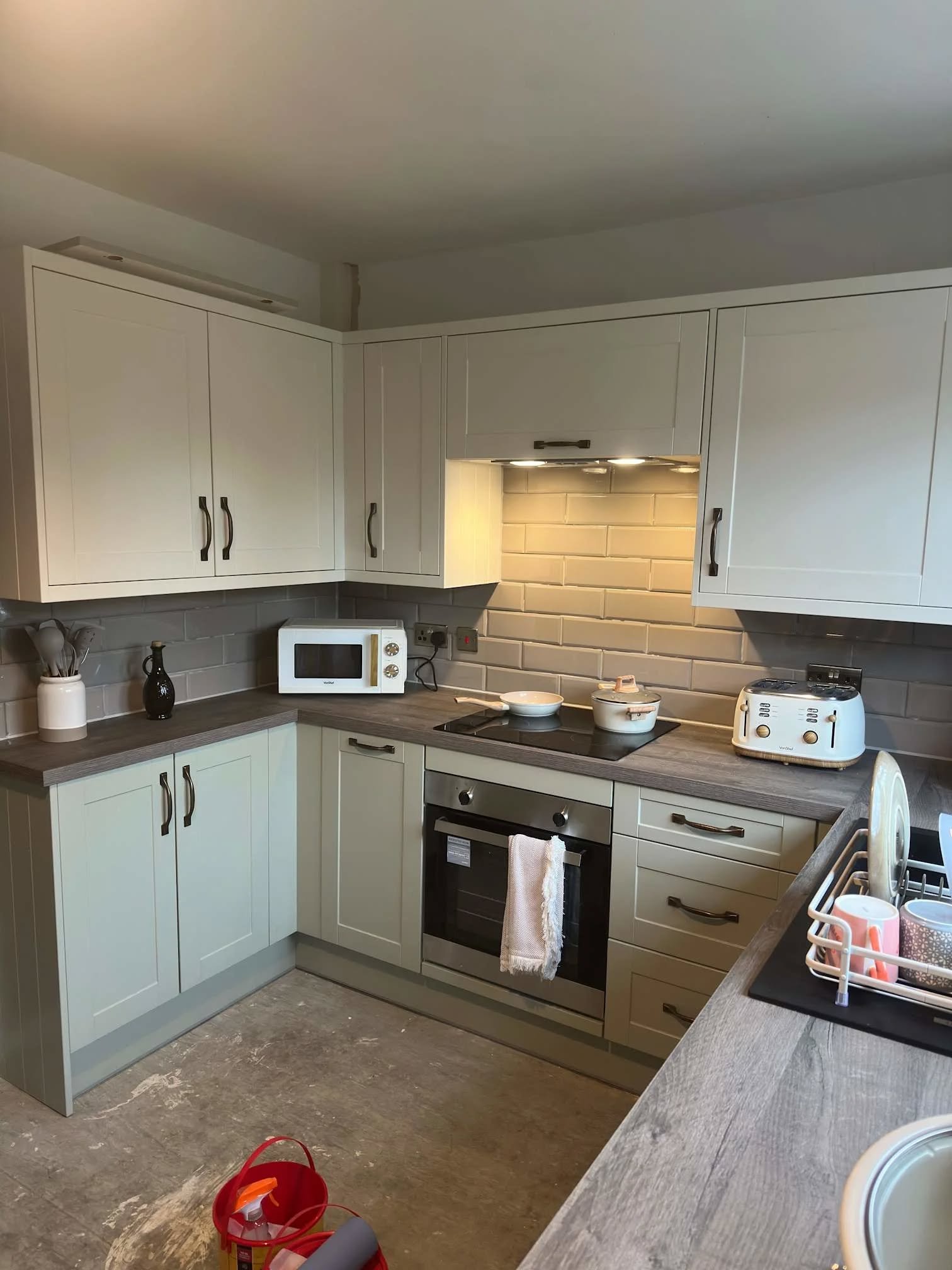
In Hull, where practical value often drives decision-making, this final polish can tip a property from “good enough” to “worth stretching for.” Buyers are not simply pricing square footage. They are pricing confidence, comfort, and the sense that the house has been renovated with thought rather than haste. If your upgrades achieve that, market value usually follows.
CHM Yorkshire Ltd
Hull
HU9 5BU
Tel: 01482 455159
Website: https://www.chmyorkshireltd.co.uk